- Homepage
About Us Aurora Ecosystem Nursery & Preschool Primary Middle School Exploration Projects Bambini Project Explore Our School
- Aurora Story
The identity of Aurora Health and Well-being The Language of Food Nursery & Preschool Primary Middle School Languages & Cultures Exploration Projects Enrichment Programs- Aurora Ecosystem
Our Portraits, Our Stories: when a child’s voice meets the page
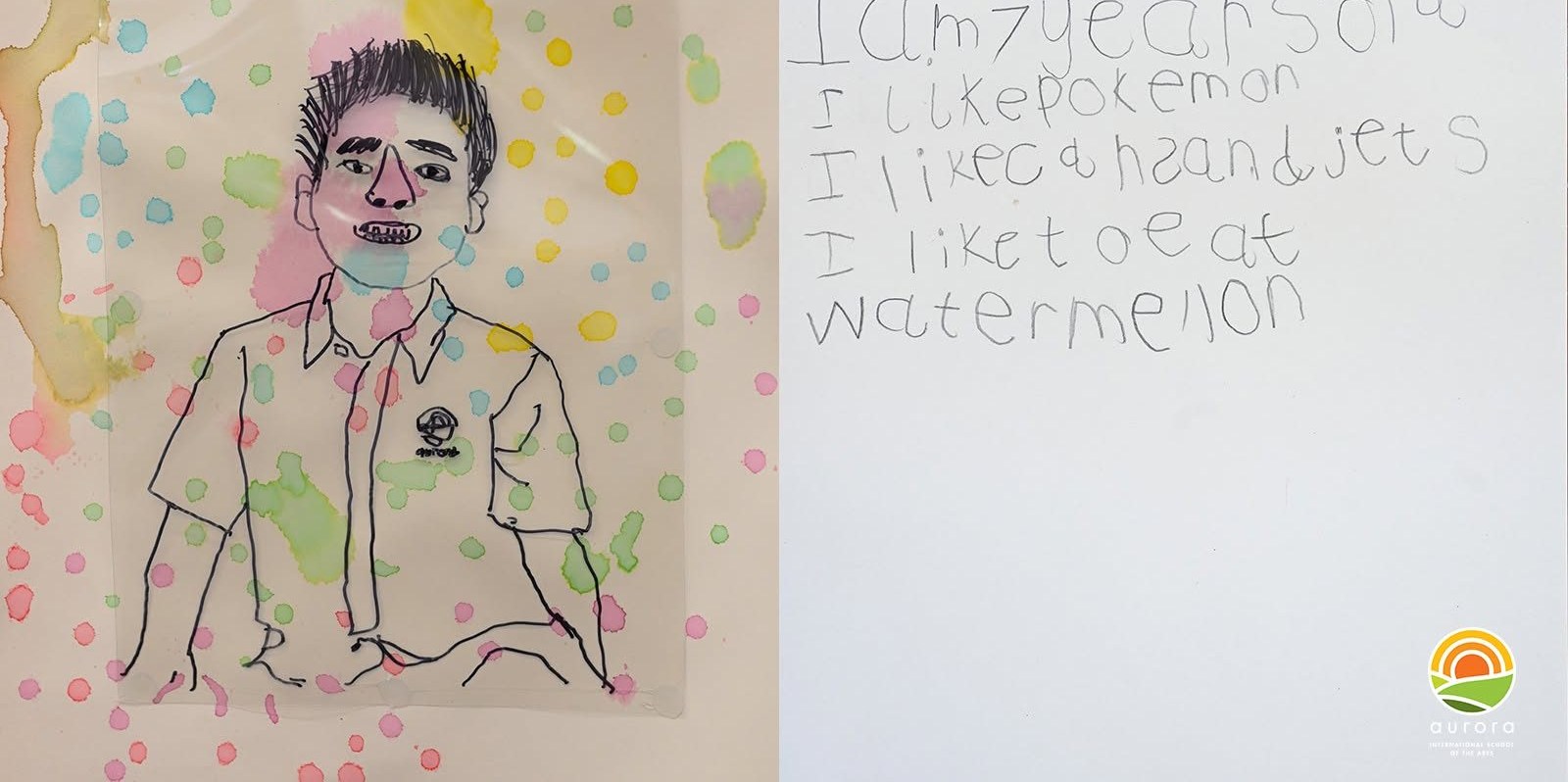
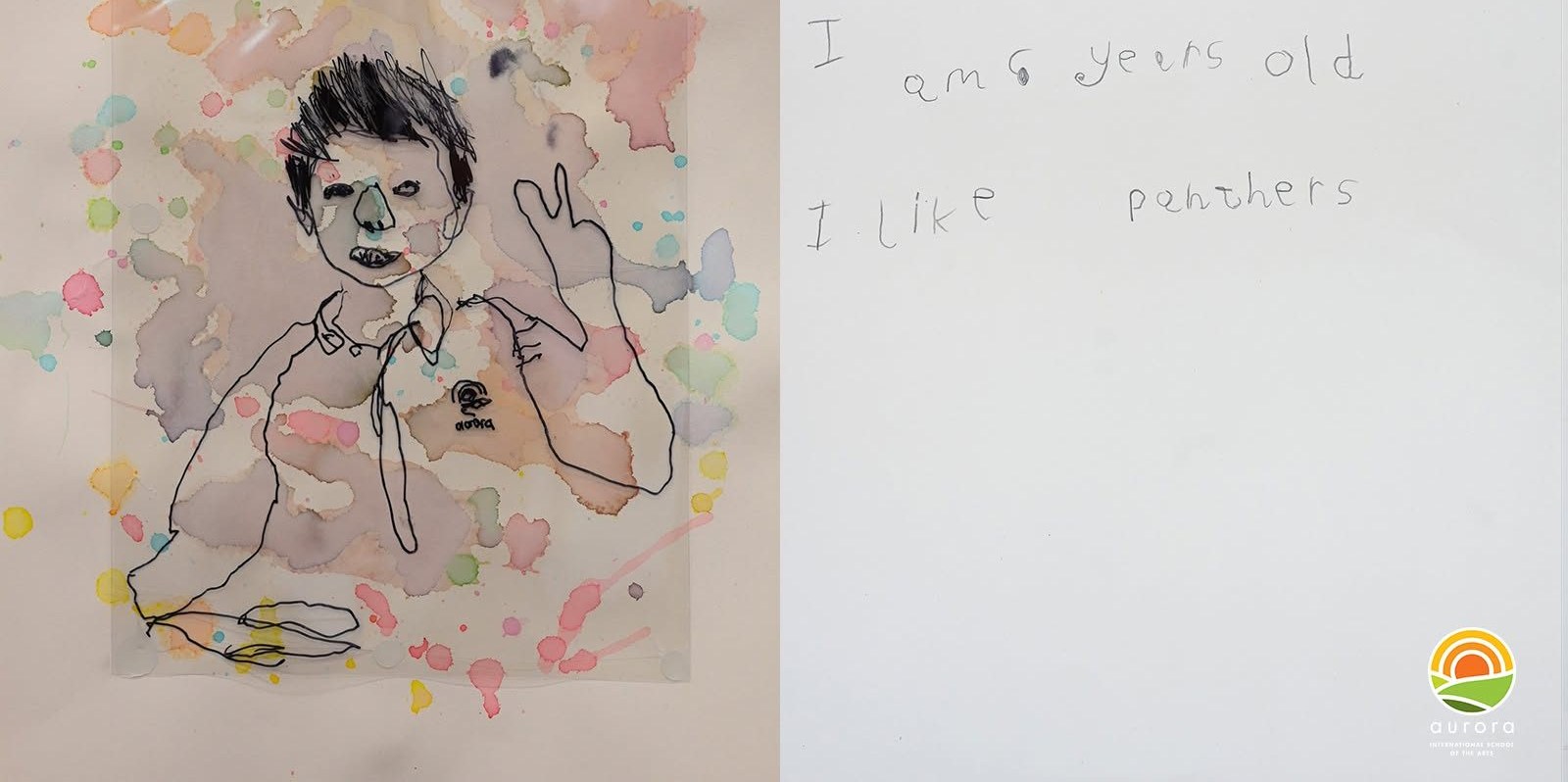
In Year 1, a self-portrait became a way of studying identity, and the reason to write a first sentence.
 WhoYear 1WhenAcademic year 2025–2026ThreadIdentity and emergent literacy← All traces of learning
Context
At Aurora, the visual arts are one of the many languages children use to think, communicate and make meaning. “Our Portraits, Our Stories” brought that language together with early writing.
Research questionWhat makes me who I am, and how can I show and tell it?
Process
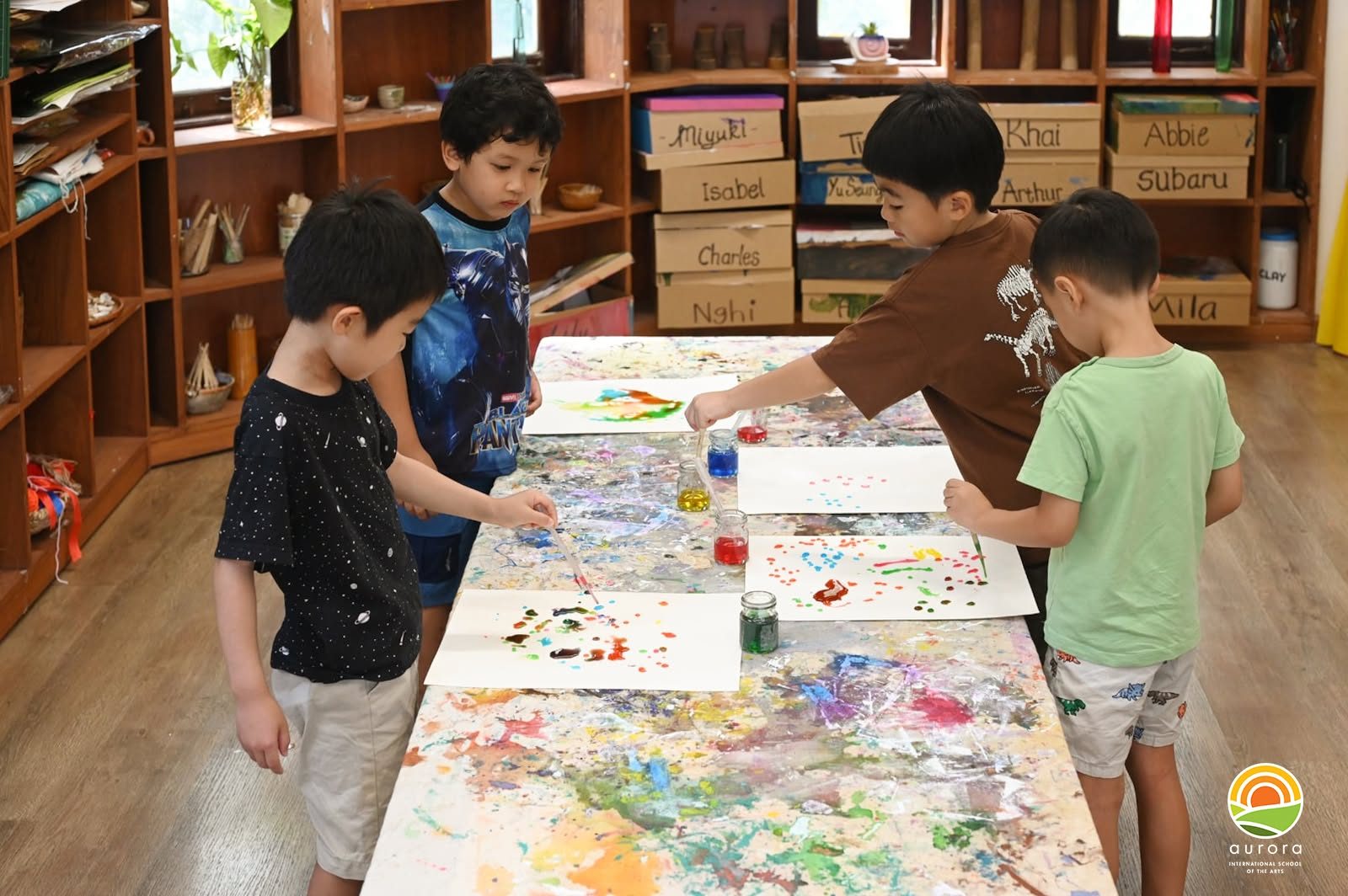
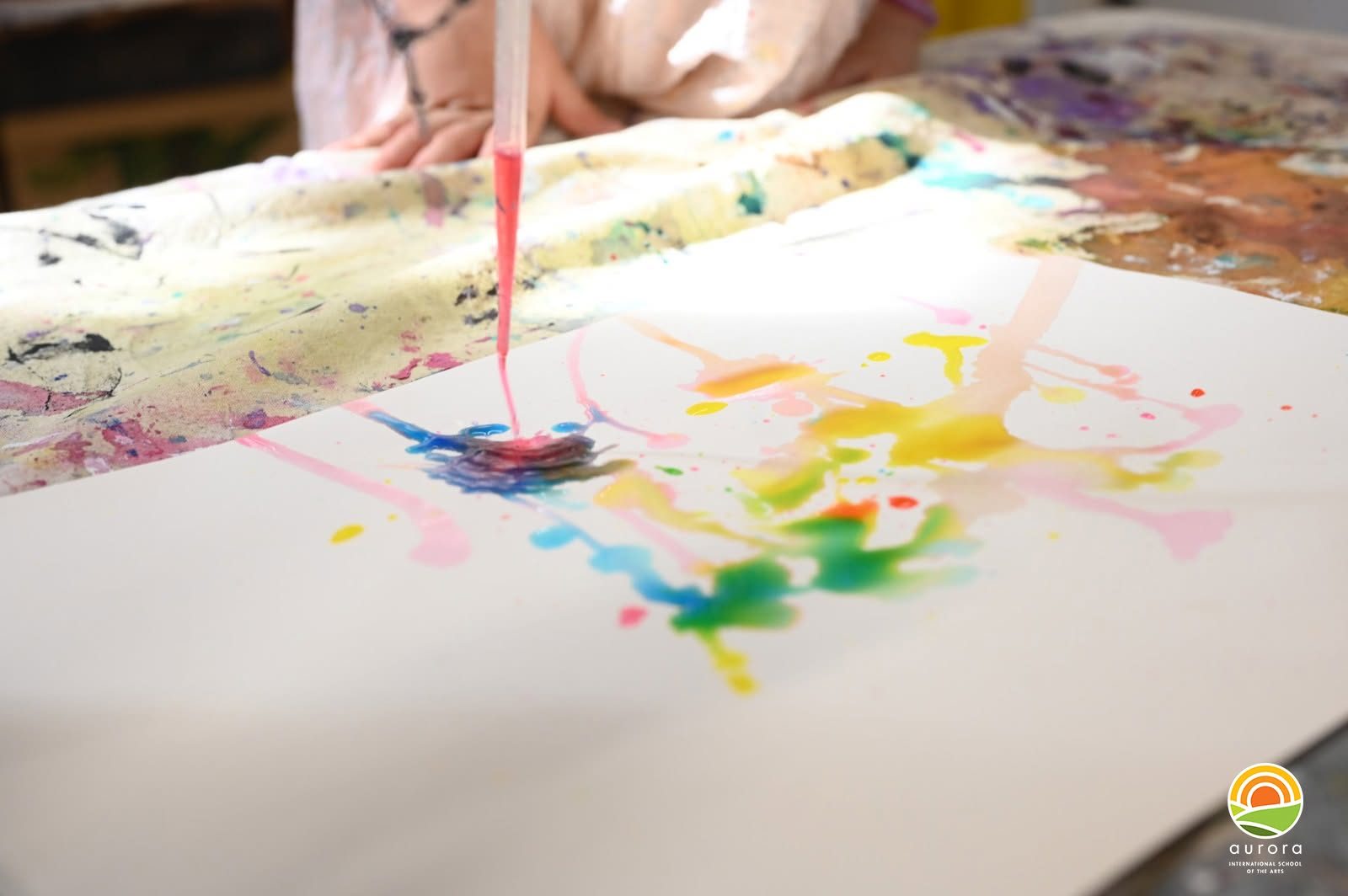
Starting from photographs they had taken of themselves, the children traced the details of their faces onto transparent film, studying closely the features that make each of them unique. They explored watercolour and colour mixing, taking creative risks. With their teachers, they then co-constructed and wrote their first sentences about themselves.
What became visible
Self-awareness, sustained focus and the courage to express an original idea. Writing had an authentic purpose: the children wrote because they had something of their own to say.
Reflection
“These portraits capture their unique personalities, their voices, their growing confidence and this important moment in time before they begin a new chapter,” their class teacher shared. The artwork is not the final goal; it makes the deeper learning visible.
Keep reading
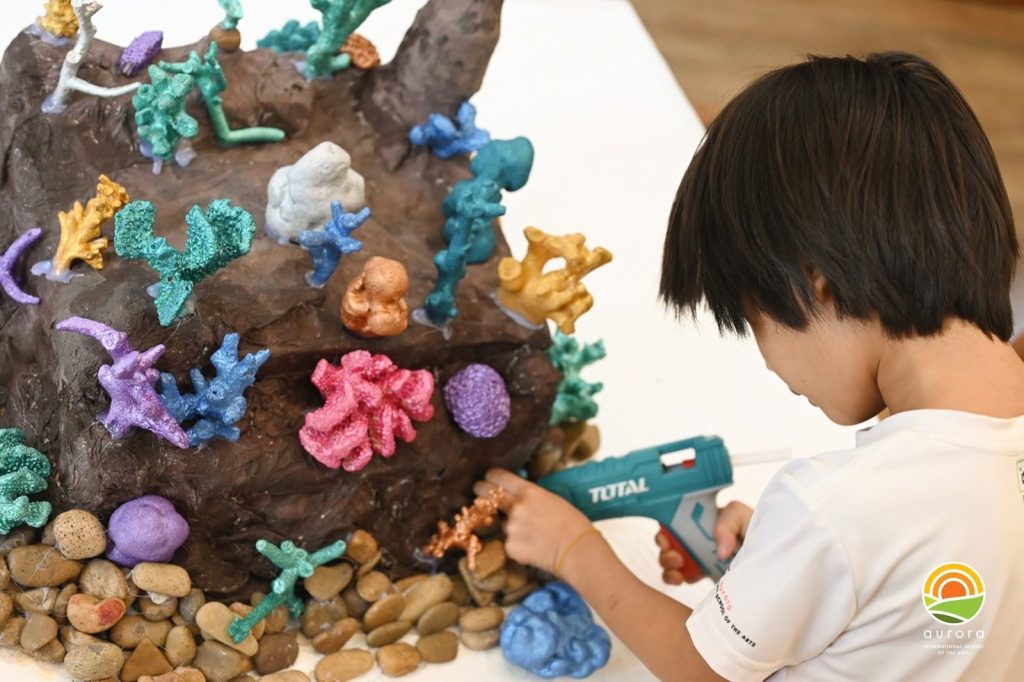 Building a coral reef: ecological identity in PrepOver several weeks, the Prep class turned painted corals, recycled packaging and stones from the playground into one shared underwater landscape.Read more →
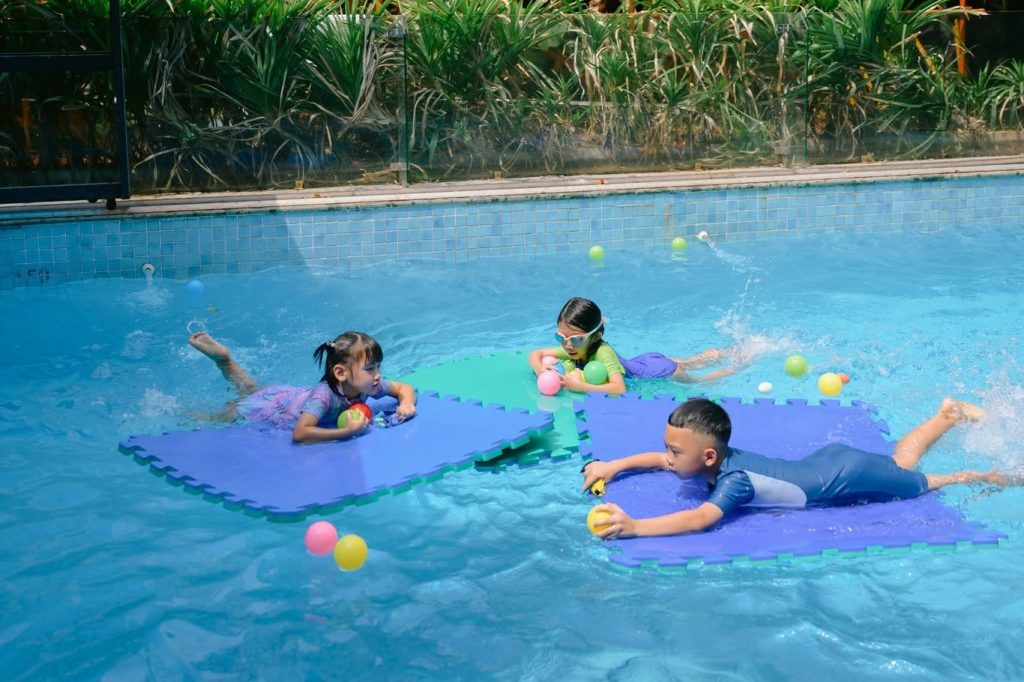 Splash & Float: confidence in the language of waterFor the first time, our Preschool learners met the water together with their parents, at their own pace and without a starting whistle.Read more →
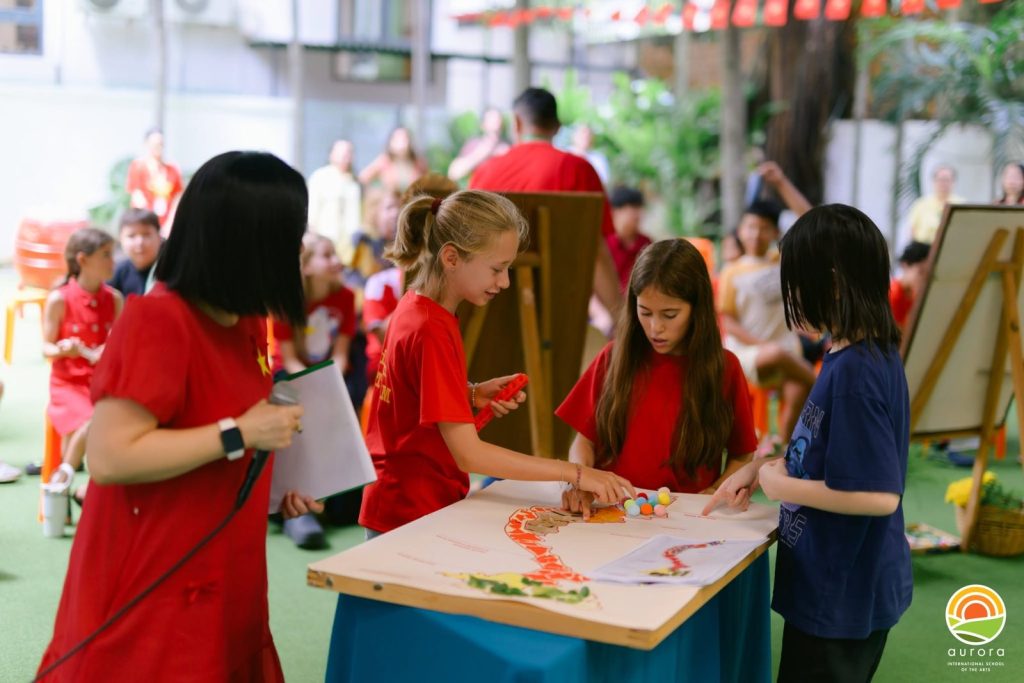 Every place has a story: bringing a map of Viet Nam to lifeOn National Day, Primary and Middle School learners explored Viet Nam through questions, play and a shared map that grew region by region.Read more →Book a visit
See the learning in person
School visits run Monday to Friday, by appointment. Our Admissions team replies within one working day.



- Aurora Story


